
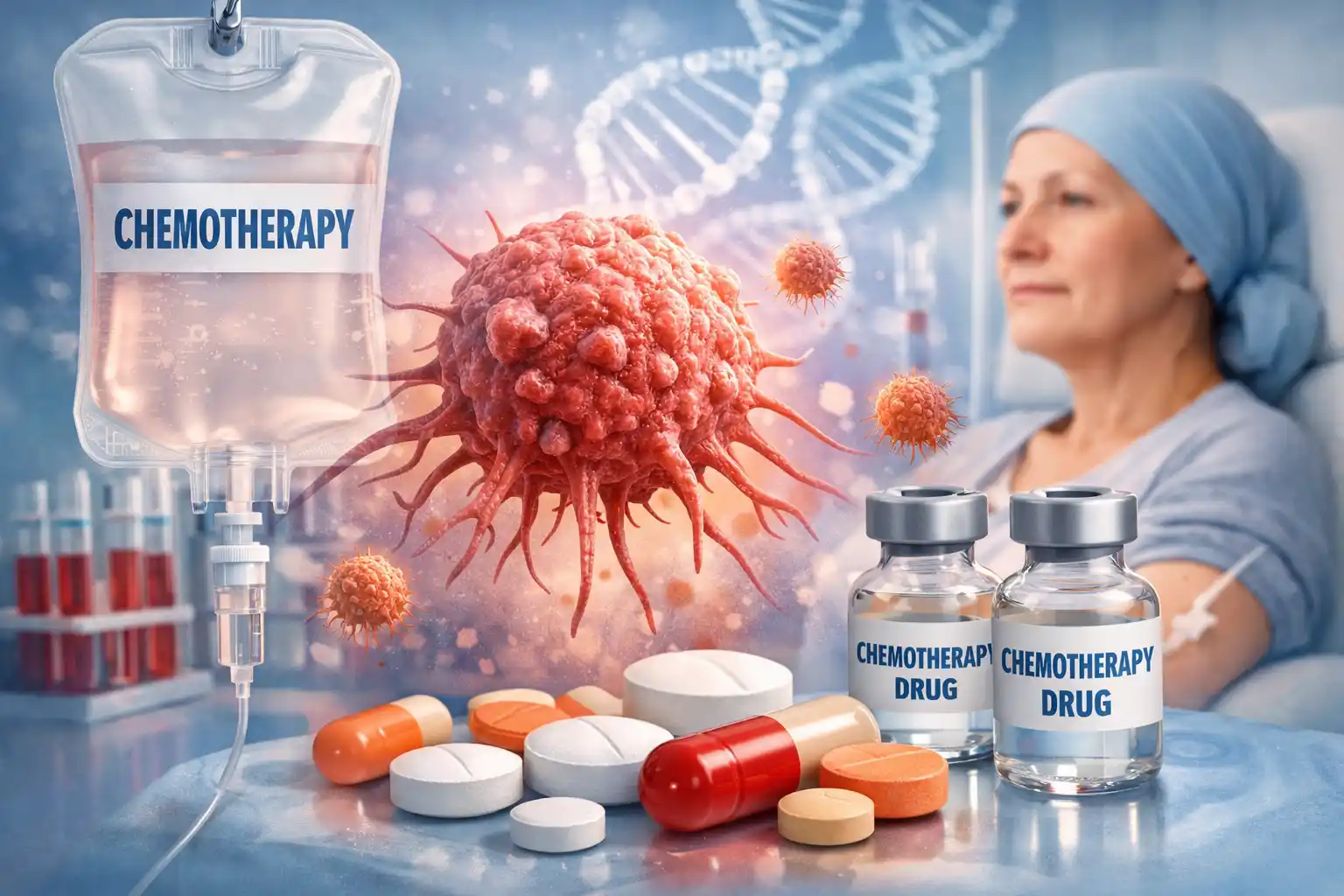
Chemotherapy Medicines
⚠️ Important: All cancer medicines are Prescription Only (Rx) and must be dispensed strictly under the guidance of a qualified oncologist. Self-medication or incorrect dosage can be dangerous and life-threatening.
Choosing the right hospital is one of the most critical health decisions you can make. Factors to consider include:
- Specialization: Ensure the hospital has a dedicated oncology department with advanced chemotherapy and treatment facilities.
- Experienced Doctors: Look for oncologists with extensive experience in chemotherapy protocols for your specific cancer type.
- Emergency Care Availability: Adequate emergency response support is essential during treatment.
- Patient Reviews: Feedback from previous patients can give insights into care quality and hospital facilities.
Cancer treatment often involves multiple classes of chemotherapy medicines designed to destroy cancer cells while minimizing harm to healthy tissues. Below are the main categories of chemotherapy medicines with examples:
1. Alkylating Agents- Cyclophosphamide: Commonly used for breast cancer, lymphomas, and leukemias.
- Ifosfamide: Effective for sarcomas and testicular cancer.
- Melphalan: Often used in multiple myeloma treatment.
- Chlorambucil: Used for chronic lymphocytic leukemia and lymphomas.
- Busulfan: Administered in preparation for bone marrow transplants.
- Methotrexate: Inhibits DNA synthesis, used for leukemia, breast cancer, and head & neck cancers.
- 5-Fluorouracil (5-FU): Used in colorectal, breast, and gastric cancers.
- Capecitabine: An oral prodrug of 5-FU for colorectal and breast cancers.
- Cytarabine: Used for acute myeloid leukemia (AML).
- Gemcitabine: Applied for pancreatic, lung, and bladder cancers.
- Pemetrexed: Used in mesothelioma and non-small cell lung cancer.
- Doxorubicin: Broad-spectrum chemotherapy for solid tumors and leukemias.
- Epirubicin: Primarily used in breast cancer treatment.
- Daunorubicin: Effective in leukemia therapy.
- Bleomycin: Used for Hodgkin's lymphoma and testicular cancer.
- Mitomycin: Often applied in gastric and pancreatic cancers.
- Vincristine: Treats leukemia, lymphomas, and neuroblastoma.
- Vinblastine: Used in Hodgkin’s lymphoma and testicular cancer.
- Vinorelbine: Applied for lung and breast cancers.
- Paclitaxel: Effective in ovarian, breast, and lung cancers.
- Docetaxel: Used for breast, lung, and prostate cancers.
- Etoposide: Treats testicular cancer, lung cancer, and lymphomas.
- Irinotecan: Commonly used in colorectal cancer therapy.
- Cisplatin: Highly effective for testicular, ovarian, and bladder cancers.
- Carboplatin: Used for ovarian, lung, and head & neck cancers with lower toxicity than cisplatin.
Additional Guidance for Patients
- Side Effects Management: Chemotherapy may cause nausea, fatigue, hair loss, or low blood counts. Speak with your oncologist about supportive care options.
- Diet and Hydration: Maintain a balanced diet and adequate hydration during treatment.
- Regular Monitoring: Blood tests and imaging are essential to track response and adjust dosage.
- Infection Prevention: Avoid crowded places and practice good hygiene as chemotherapy can weaken immunity.
- Mental Health: Psychological support or counseling can help patients cope with stress during treatment.
💡 Key Advice: Always consult a qualified oncologist before using any chemotherapy medicines. Cancer treatment requires careful monitoring, precise dosage, and professional guidance to maximize effectiveness and minimize side effects.
Latest News



Leave a Comment